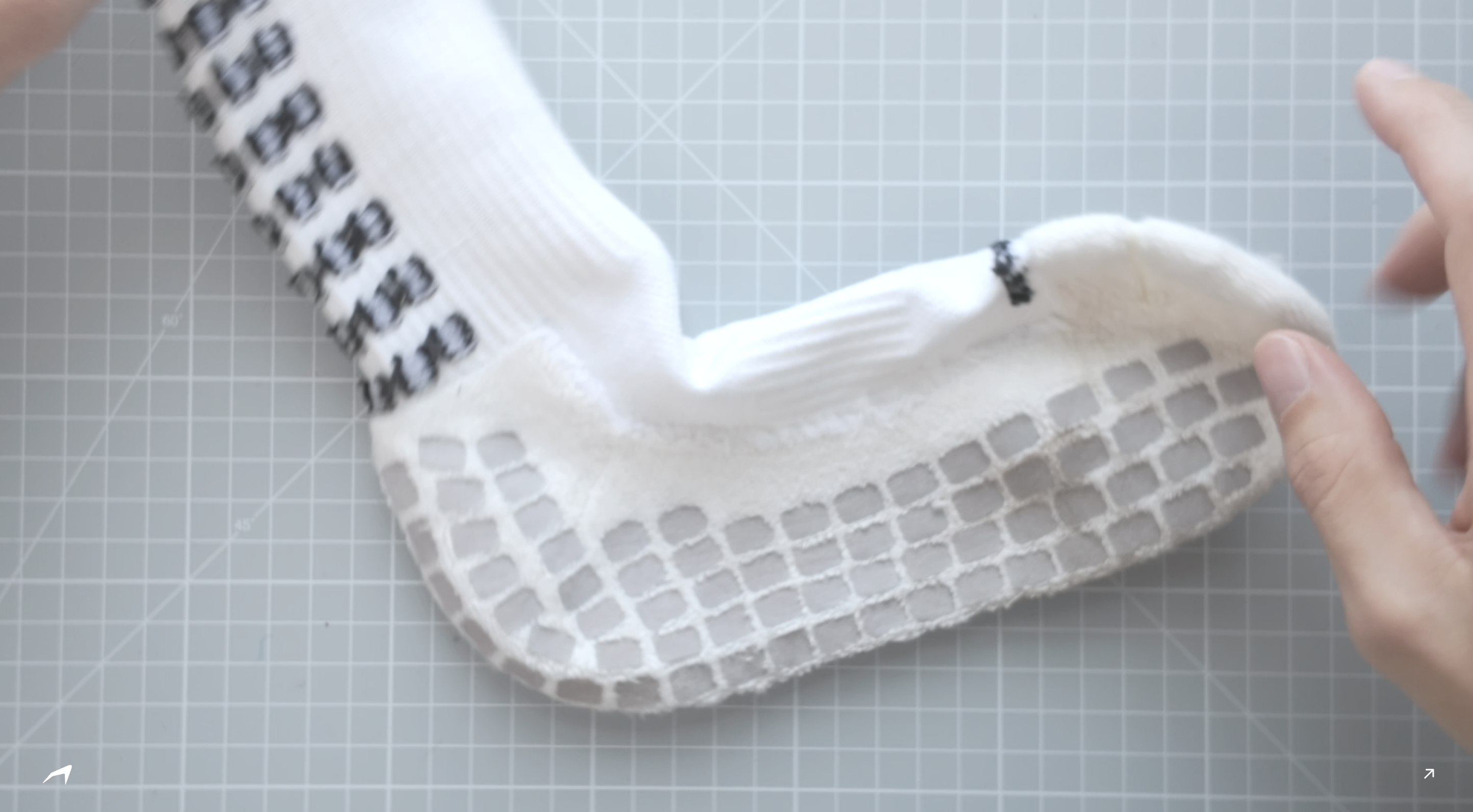
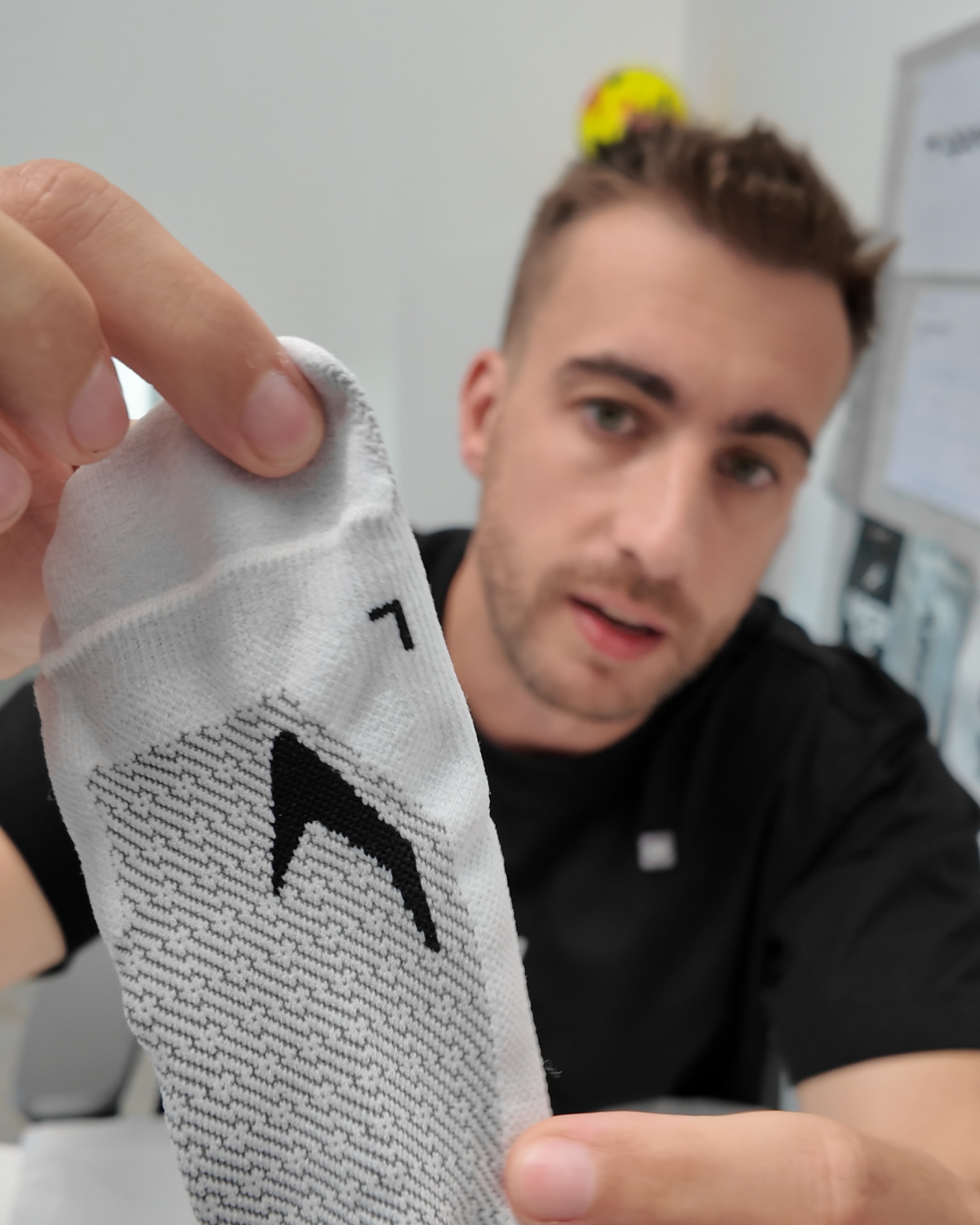


In my previous founder update I shared what I found after pulling apart a number of the most widely used grip socks in the game. Looking at the materials, the structures, and the way different grip systems behave tells us a lot about the lack of innovation in socks over the last decade.
But technical analysis only goes so far - I’ve learnt that a product can make perfect sense on paper and still perform very differently once it’s exposed to the reality of elite sport. So I decided to ask the people who deal with this equipment every single week.
Over the past few months I’ve spoken with a number of kitmen, equipment managers, and players inside pro clubs. They see patterns most people never see because they handle hundreds of pairs of boots and socks over the course of a season.
The question I asked them was simple: What actually frustrates pro players about (grip) socks?
The answers were remarkably consistent.
One of the most common issues was loss of structural fit over time. A sock might feel locked-down and fit well during the first few matches, but after repeated washes the sock can no longer hold the foot in exactly the same position inside the boot.
Another issue that came up repeatedly was performance when wet. During a 90 minute match a sock can absorb a surprising amount of moisture - and not wick this away fast enough. Cotton gets heavy and causes blisters. Polyester doesn’t hold moisture, but can stretch and is not that durable.
A third pattern involved stability during lateral movement. When a player quickly changes direction, the arch and midfoot experience significant physical force. If the sock lacks sufficient compression through this region, the foot can rotate slightly within the textile before the grip pads engage with the insole - losing energy.
What struck me most during those conversations was how elite players and kitmen haven’t truly given socks that much thought. In reality it’s only fit and durability that are ‘understood’ as differentiators. I think this is all wrong.
At the highest level of the game, athletes become extremely sensitive to the small mechanical details of their boots. However, socks seem to have been overlooked and under-appreciated. The micro-details of elite sport are under the microscope - nutrition, boots, recovery, fuelling - but socks are not - even with the huge amount of growing medical and scientific data around proprioception and the performance connection between our brain and our feet.
And when you break down the complaints players describe, they usually trace back to two fairly simple engineering variables: Materials. Structural Design. When either of those elements is compromised - whether through lower-grade yarn, poorly balanced compression zones, or grip systems that don’t work under different playing conditions - the stability of the entire boot–sock interface begins to change.
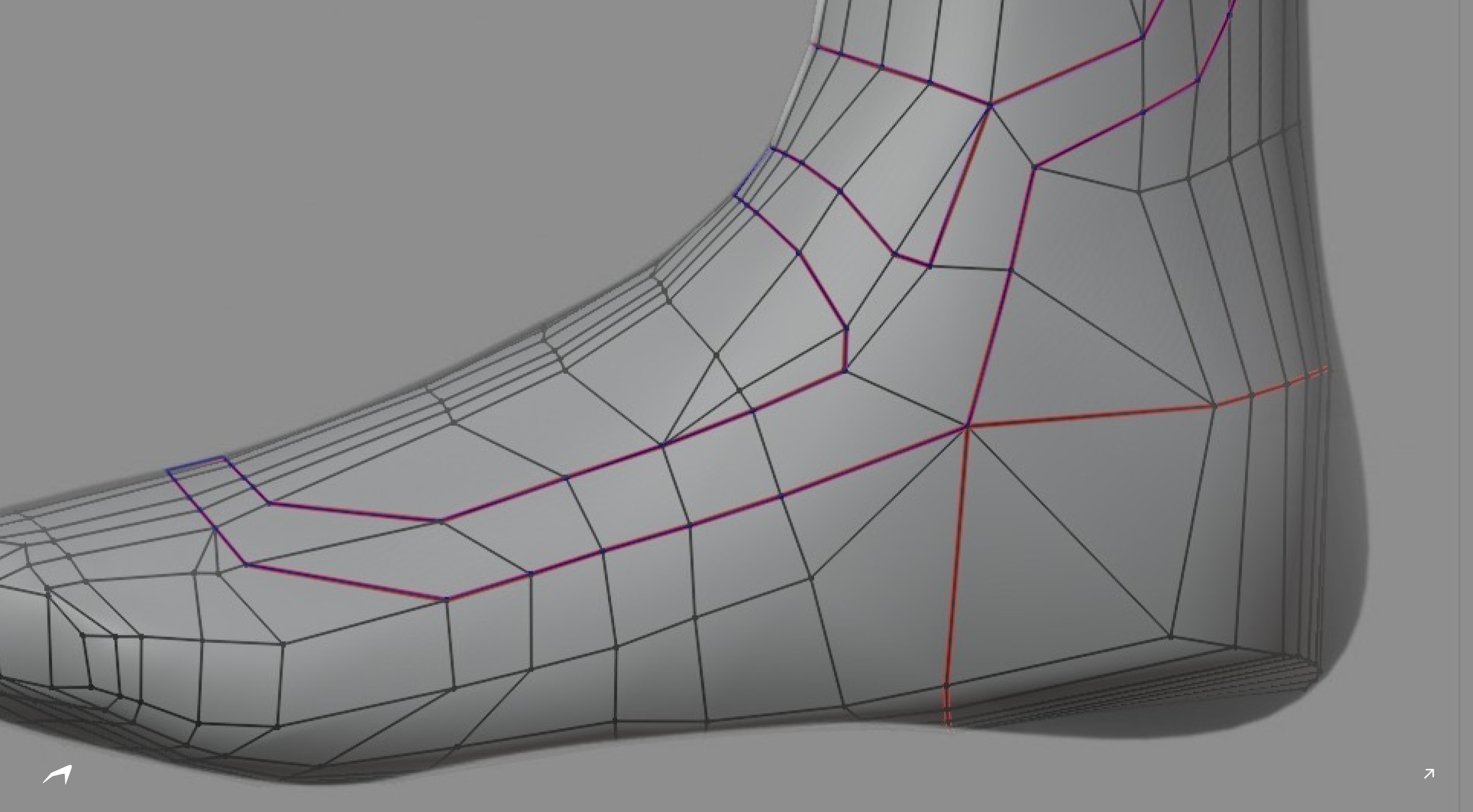
However - the more I studied, spoke with clubs, sports scientists and the players - the clearer things actually became. The real performance of a grip sock is determined long before any grip pad is applied. Even way before material and structure. Elite sock performance relies on elite foot performance. The very nerves and muscular structure of foot biomechanics, and the way this connects to our brain is at the very core of our research.
It actually starts with the foot itself.
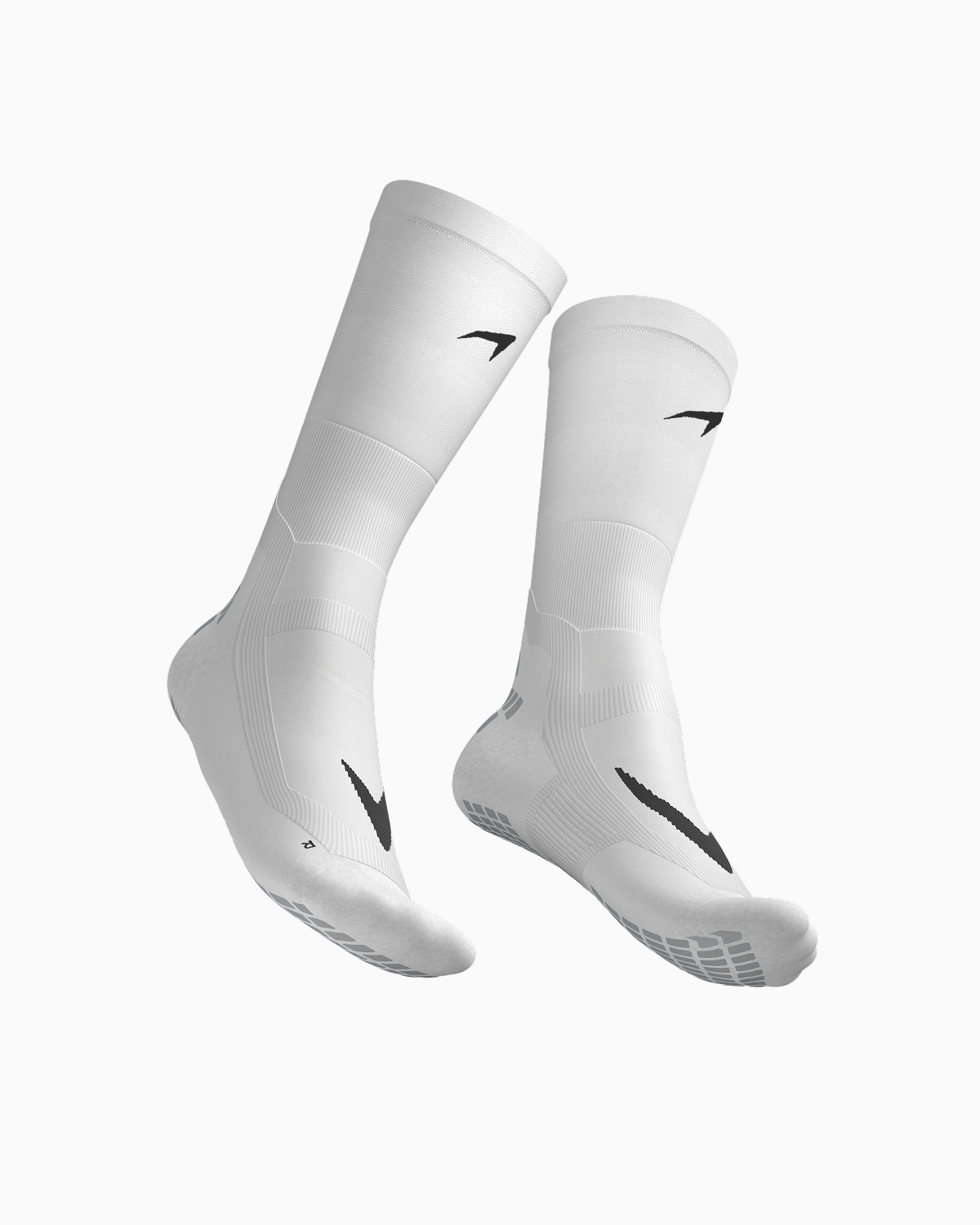
In the next update I’ll explain why that matters far more than most players realise. And how Apex and the football sock we're currently developing is on the road to redefining how we think about socks forever.
Coming Soon


Join The ELITE-1 Waitlist
- Early Access alongside our PRO players
- Guarantee Your Pair + Size (Only 3000 Pairs Available Worldwide)
- Exclusive Waitlist Launch Offers
- Behind-The-Scenes Updates + Giveaways
- Join the 2055+ Athletes in the Queue
ELITE-1 FOUNDER UPDATES
#1 You've Been Lied to By Grip Sock Companies
#3 What Pros Hate About Their Football Socks
#4 This Secret is the Future of Grip Socks
#5 We’re NOT Building a Grip Sock
#9 Internal Grip Pads Don’t Work. Here’s Why.