

As you know, football has become increasingly obsessed with the marginal details.
Players no longer see performance as something that’s built on the training ground alone. It’s built around a whole ecosystem of decisions. Recovery, strength & conditioning, nutrition, data, tactical analysis and beyond. Almost every part of the game has been pulled apart, measured, refined and rebuilt in the pursuit of the 1% advantage.
Boots are the clearest example. What was once a relatively simple piece of leather has become a highly engineered tool. Uppers are thinner and more responsive - though probably not ‘better’ than the previous k-leather predecessors. Soleplates are tuned for acceleration and traction. And yet, in the middle of this performance revolution, one vital layer has remained strangely underdeveloped: the sock.
It’s easy to overlook because it’s so familiar. It doesn’t have the theatre of a new boot launch or the obvious science of a GPS vest. But that familiarity hides its importance.
For me, the sock sits at one of the most critical interfaces in football, between the foot and the boot. It’s a layer of hyper sensitive nerves, with mainline routes to the brain. Our brain to foot connection determines stability, micro perception of speed, proprioception of balance and is the dynamic, fluid, and biomechanically perfect tool that drives all run-driven performance.
Each movement asks the foot to gather information and respond instantly. This is why the sock matters.
As I talked about extensively in the previous founder update, your foot is a sensory system where your game control is all influenced by the quality of this feedback. Most players do not consciously think about this. They do not receive the ball and think about mechanoreceptors. They do not sprint and think about proprioception. But they feel the consequences when the connection is poor.
Plus, a sock that slips or rubs isn’t just uncomfortable. It becomes noise. This neural noise slows down decision making. Micro-slippage interferes with balance. The best kit should disappear because it has been designed well enough to be trusted. And this is where football socks have fallen way way behind.
For over a decade, the category has been treated as if the solution were to simply add grip. But grip isn’t the foundation of a performance sock. It’s a final additional layer. A piece in the whole puzzle. Before grip is added we have to think about how the foot moves, where it slips, how thickness affects feel, and how compression impacts blood flow and micro-recovery.
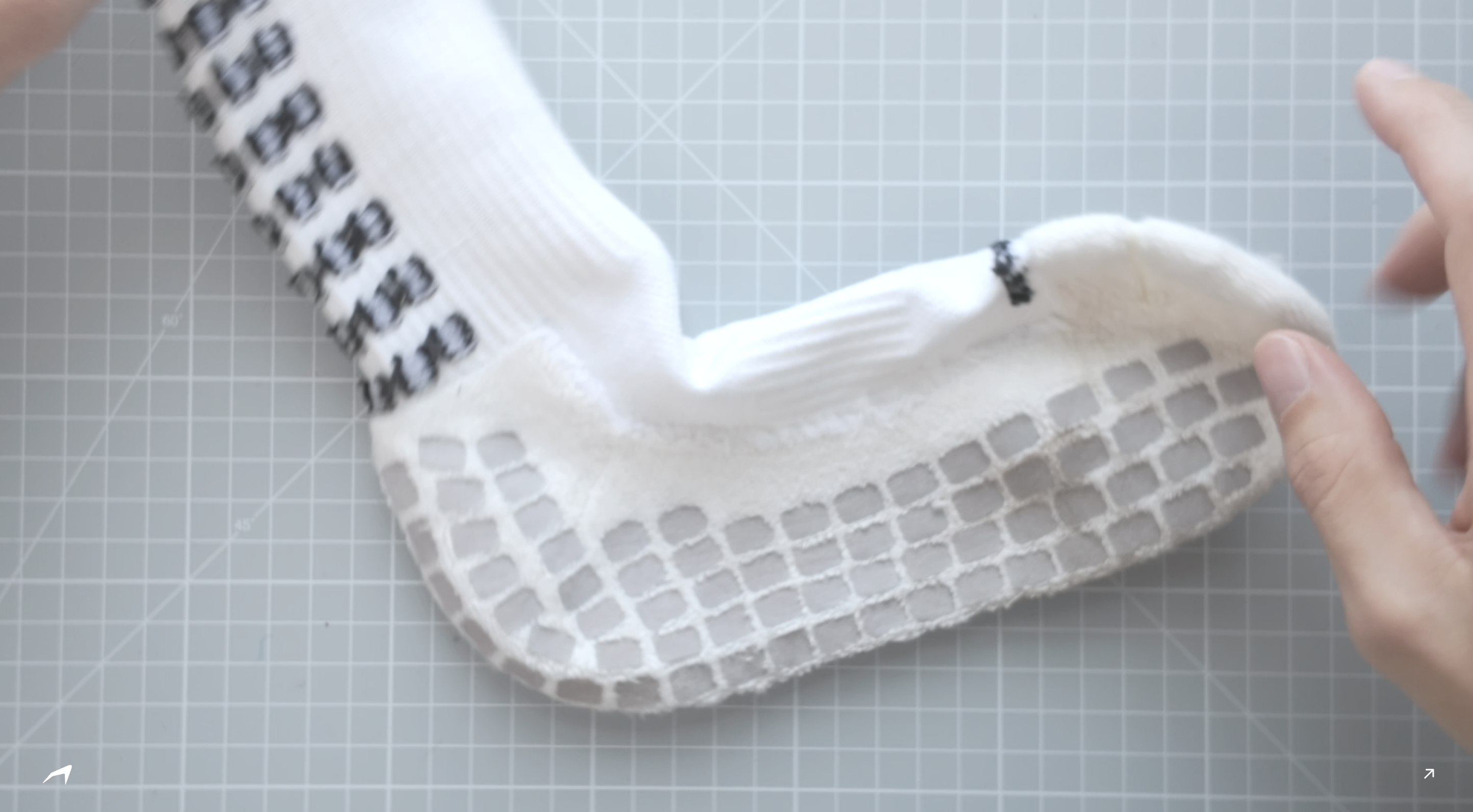
In fact, grip pads can often make things worse for a player. Oversized grip (e.g TapeDesign) adds bulk, and interferes with receptive feedback. Internal grips cause unnatural hot spots on the bottom of your foot. Causing both neural issues to bio-feedback as these pads overcompensate and intefere with your natural biomechnics, as well as adding weight and unnecessary skin-to-synthetic-material friction.
So, the real challenge isn’t to make the sock as grippy as possible. The real challenge is to make the foot-ankle pivot locked-down, neurally locked-in, and as fast and responsive as possible. Frankly ‘grip’ as a technical term and focus is irrelevant.
This requires a different way of thinking. It means treating the sock not as a cheap accessory, but as a piece of performance tooling. The material, texture, elastane boundaries, thickness, construction, heel shape, arch support, toe finish, moisture management, and grip pattern all have to work together. Each decision affects the other. The sock is a system. It can’t be improved by adding one obvious feature and ignoring the rest.
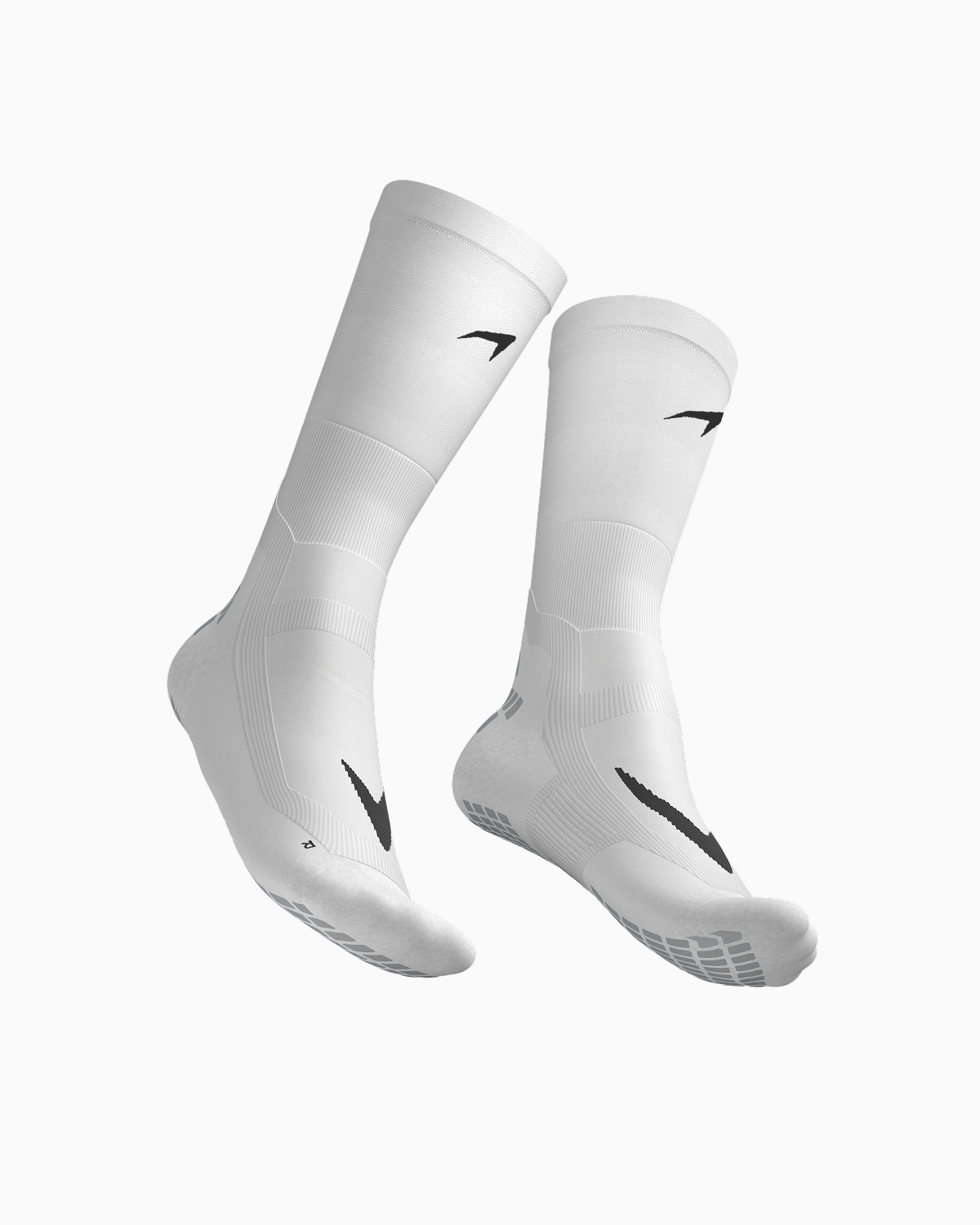
This is the thinking behind the ELITE-1.
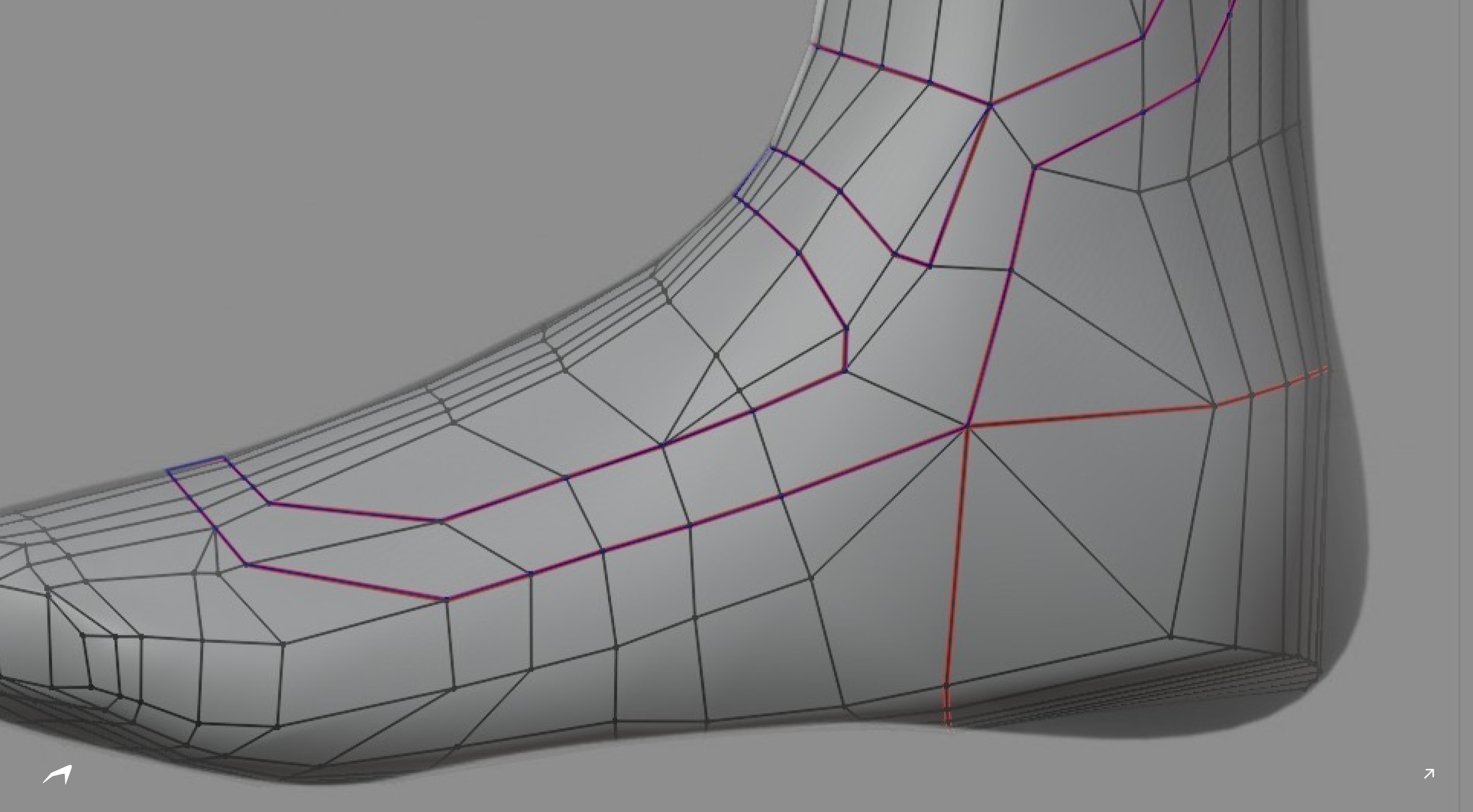
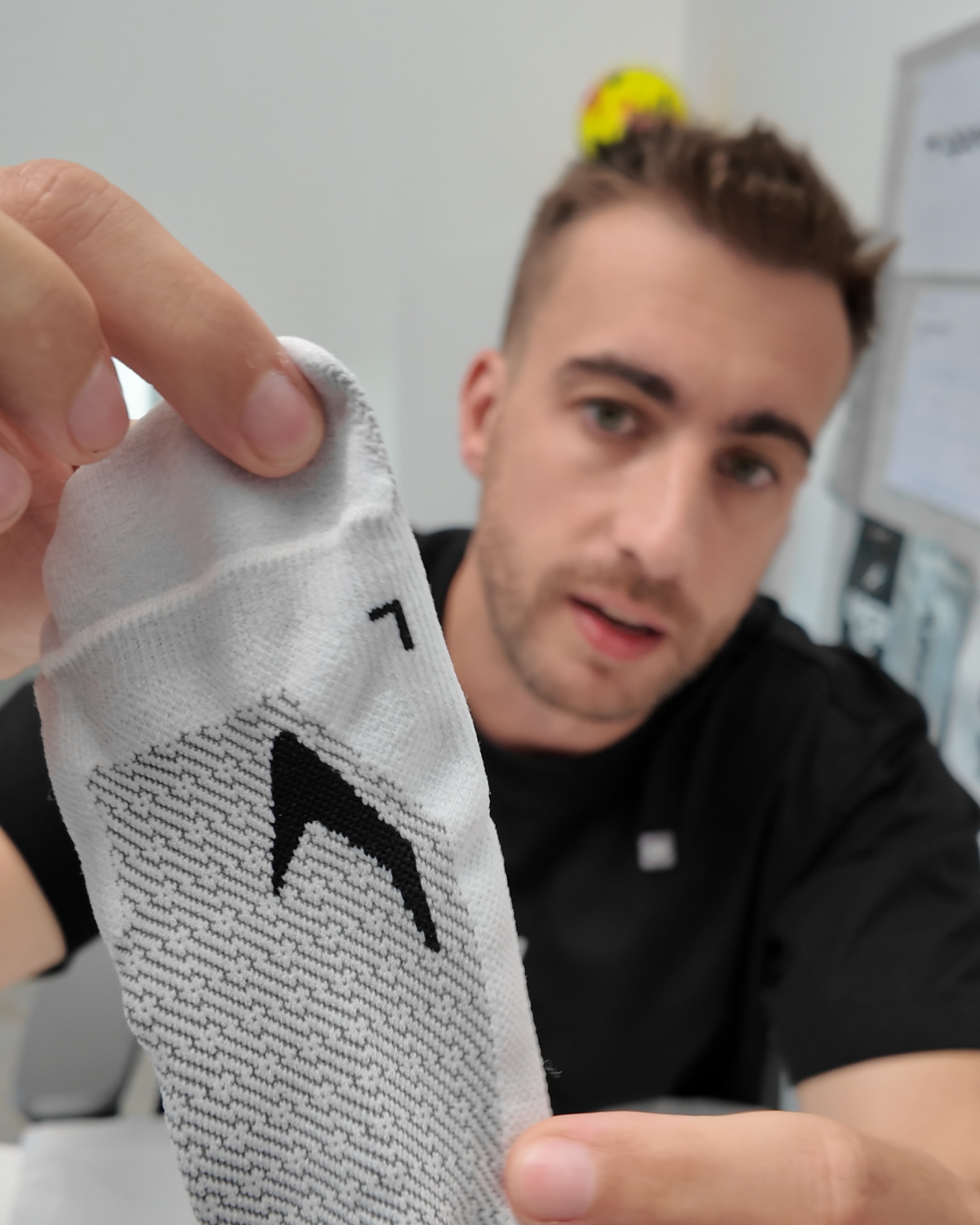
We didn’t start by asking how much grip we could add (although, our grip is Space-Grade material science, quantum leap, freak of nature material - more on that later). We started by asking what a football sock should actually do on your foot. We’re trying to redefine how a sock anatomically fits at high speed. How to eradicate sock slippage by enhancing compression zones. How to provide more cushioning with less material and better breathability.
Only once those foundations are in place does grip become an additional tool.
We’re not trying to make a grip sock. Grip socks are dead.
We’re trying to build the layer that should have existed already. A sock designed with the same seriousness players already expect from their boots. We’re trying to weaponize your feet.
In the next update I want to take you behind the scenes of our development process and share how we engineered the base material of this high-performing football sock to achieve exactly that.
Coming Soon


Join The ELITE-1 Waitlist
- Early Access alongside our PRO players
- Guarantee Your Pair + Size (Only 3000 Pairs Available Worldwide)
- Exclusive Waitlist Launch Offers
- Behind-The-Scenes Updates + Giveaways
- Join the 2055+ Athletes in the Queue
ELITE-1 FOUNDER UPDATES
#1 You've Been Lied to By Grip Sock Companies
#3 What Pros Hate About Their Football Socks
#4 This Secret is the Future of Grip Socks
#5 We’re NOT Building a Grip Sock
#9 Internal Grip Pads Don’t Work. Here’s Why.